
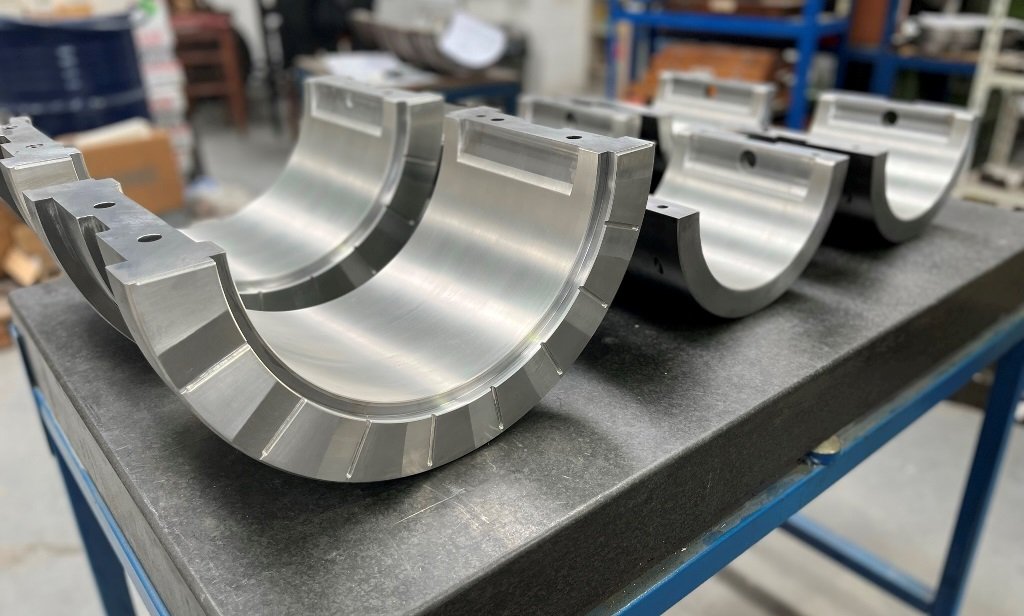
Whitemetal Bearing Failure Analysis
Compare common damage patterns, investigate the operating conditions behind them and move from visible evidence to root cause.
Damage Is Evidence, Not the Complete Diagnosis
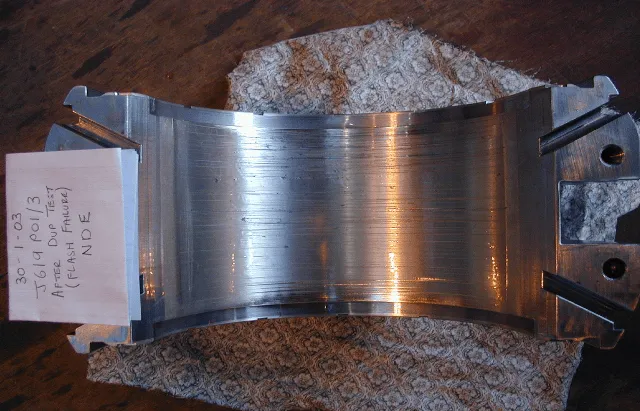
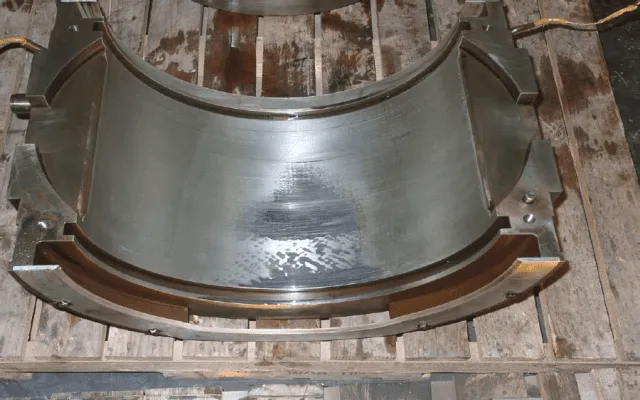
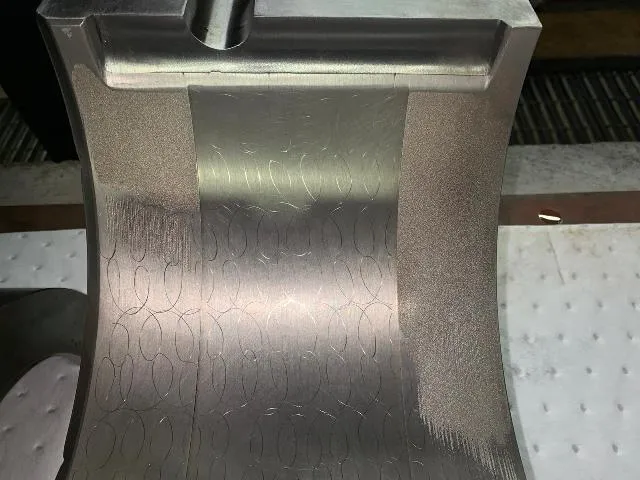
Whitemetal bearings are often the first components to record a lubrication, alignment, loading or electrical problem. The visible pattern can narrow the investigation, but several mechanisms may act together. Reliable diagnosis combines bearing inspection with operating history, oil-system data, vibration, shaft condition and machine geometry.
Damage Index
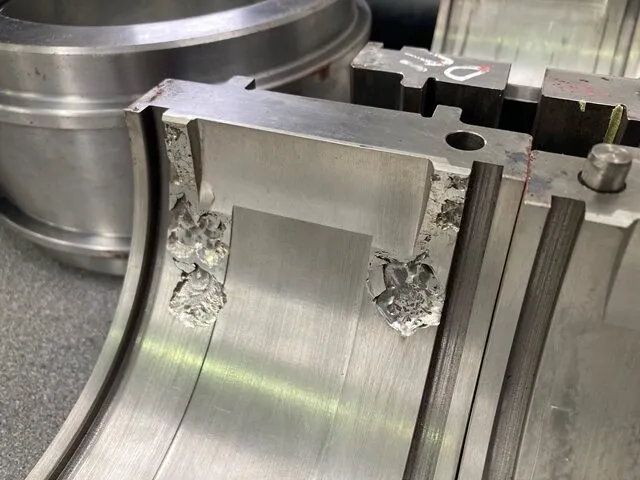
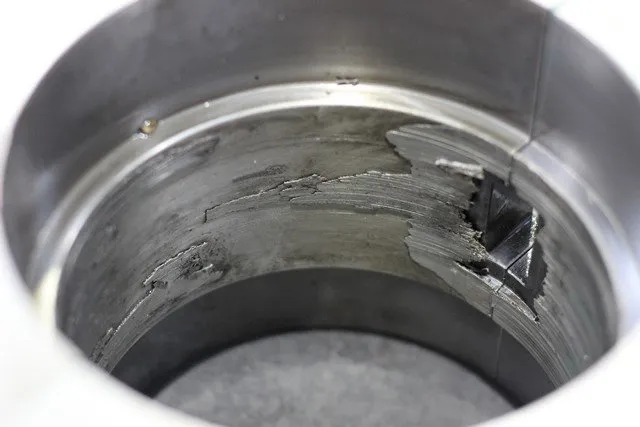
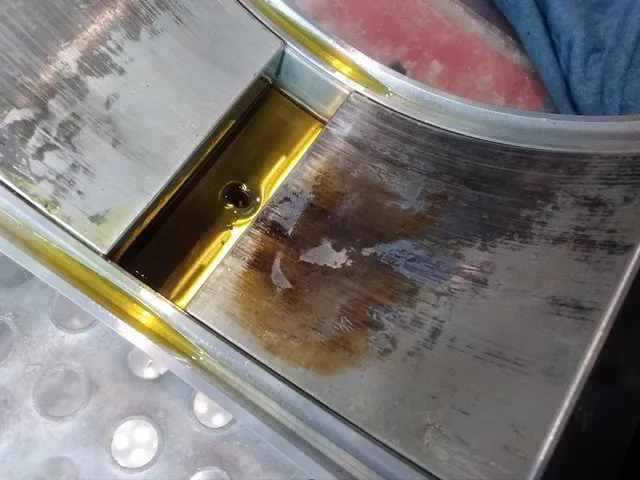
Common Bearing Failure Modes
Select the closest visible pattern for signs, contributing factors, inspection steps and corrective actions.
Investigation Method
Confirm the Root Cause
1. Preserve the Evidence
Record bearing position, orientation, damage distribution and mating-surface condition before cleaning or repair. Retain oil, filter and debris samples where useful.
2. Review Machine Data
Correlate the pattern with load, speed, temperature, pressure, flow, vibration, alarms, trips and recent maintenance or process changes.
3. Test the Mechanism
Inspect clearances, alignment, shaft geometry, lubrication paths, material and bond condition to confirm or eliminate each credible failure mechanism.
Library Roadmap
Further Failure Guides in Development
Experienced a Bearing Failure?
Send photographs, operating data and failure history for an initial assessment and recommended next steps.